
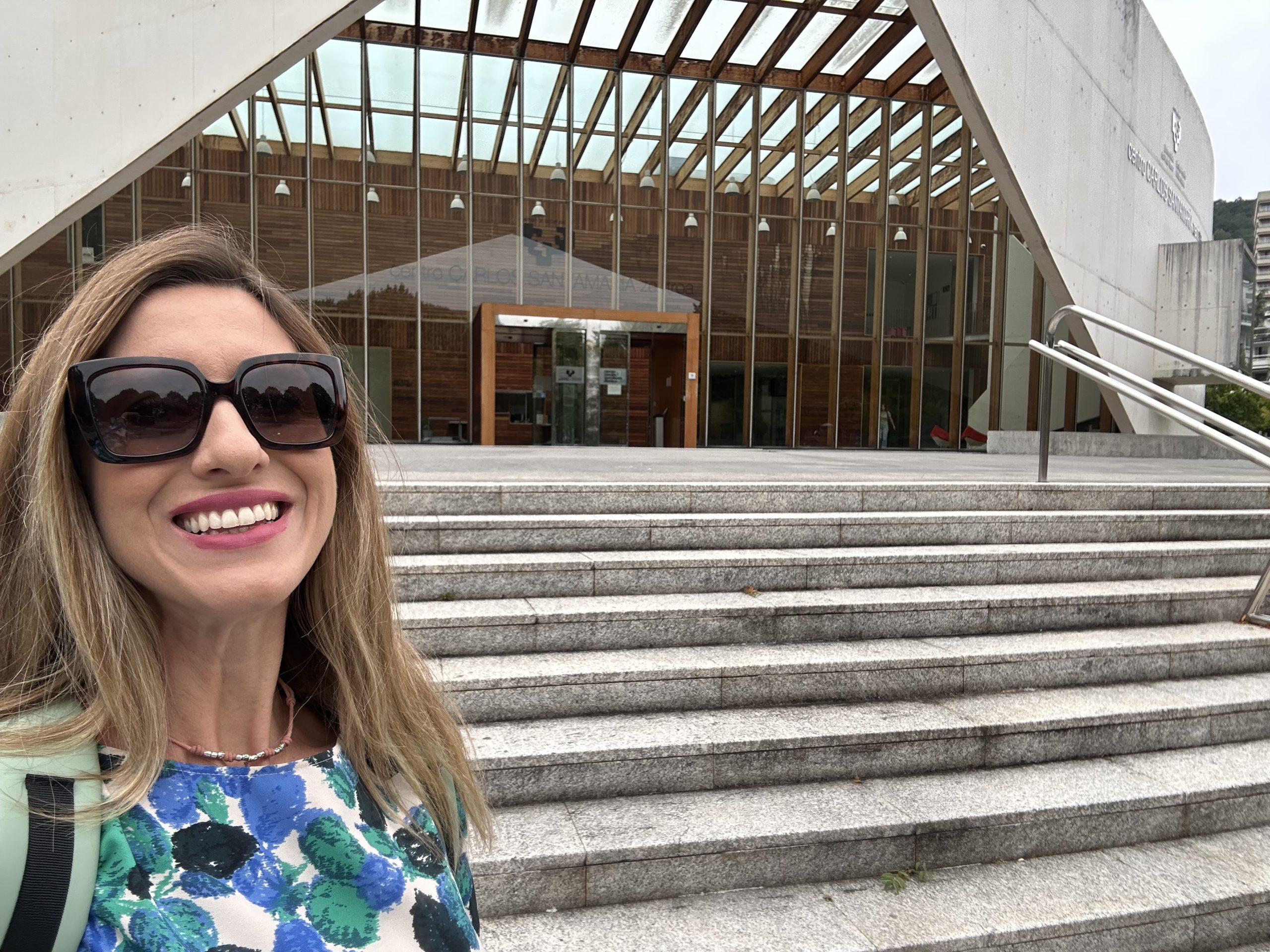
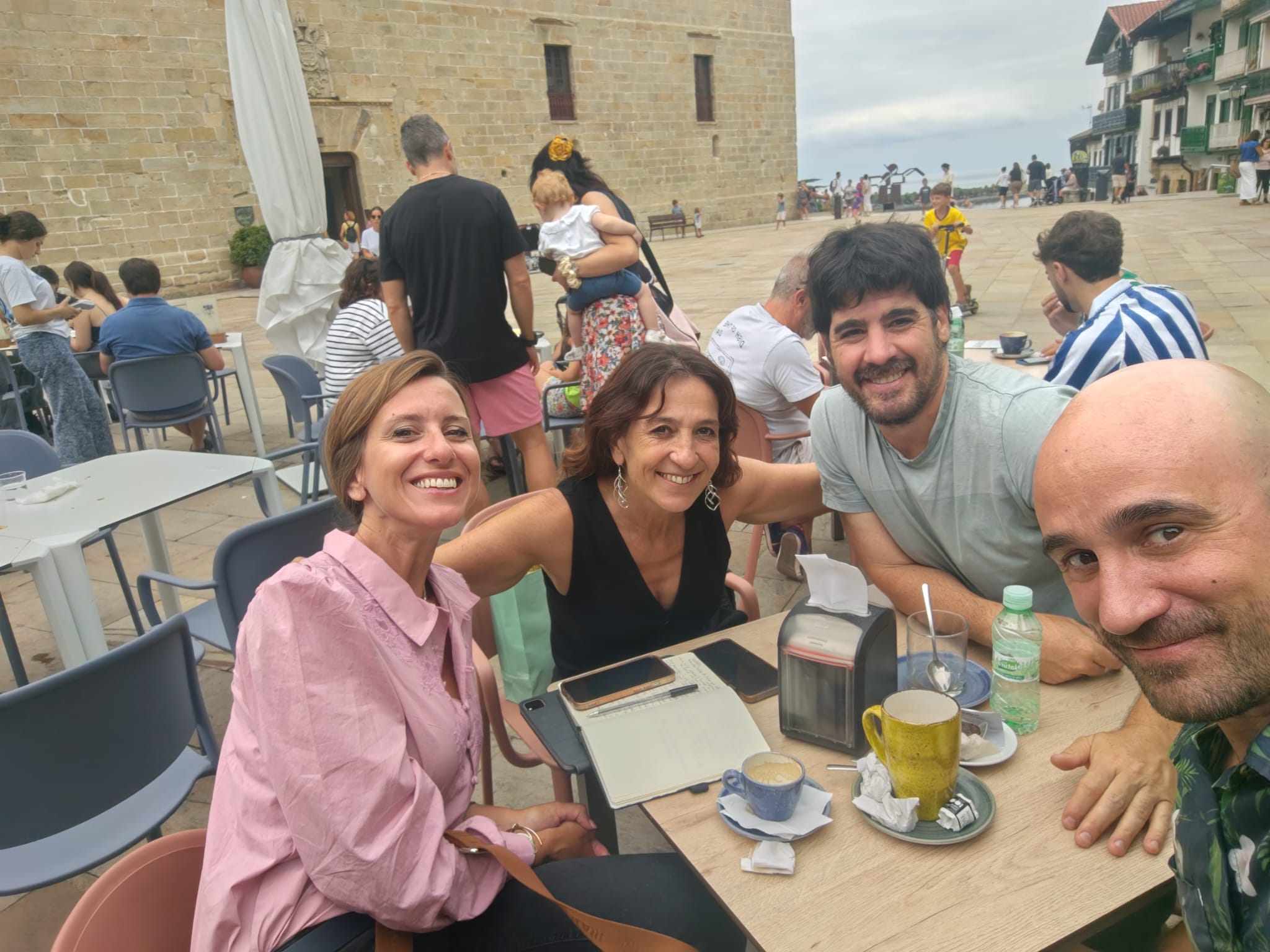
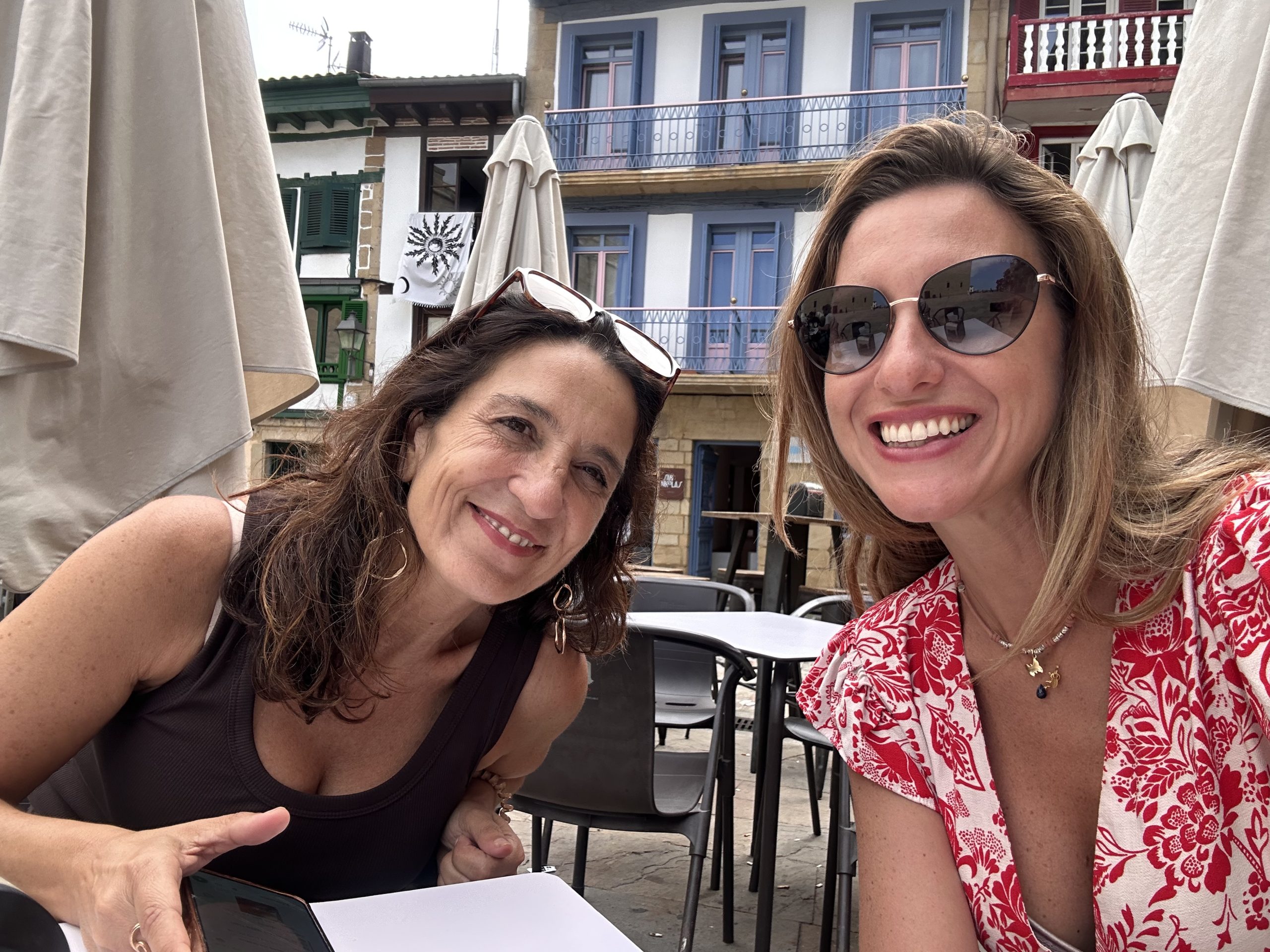
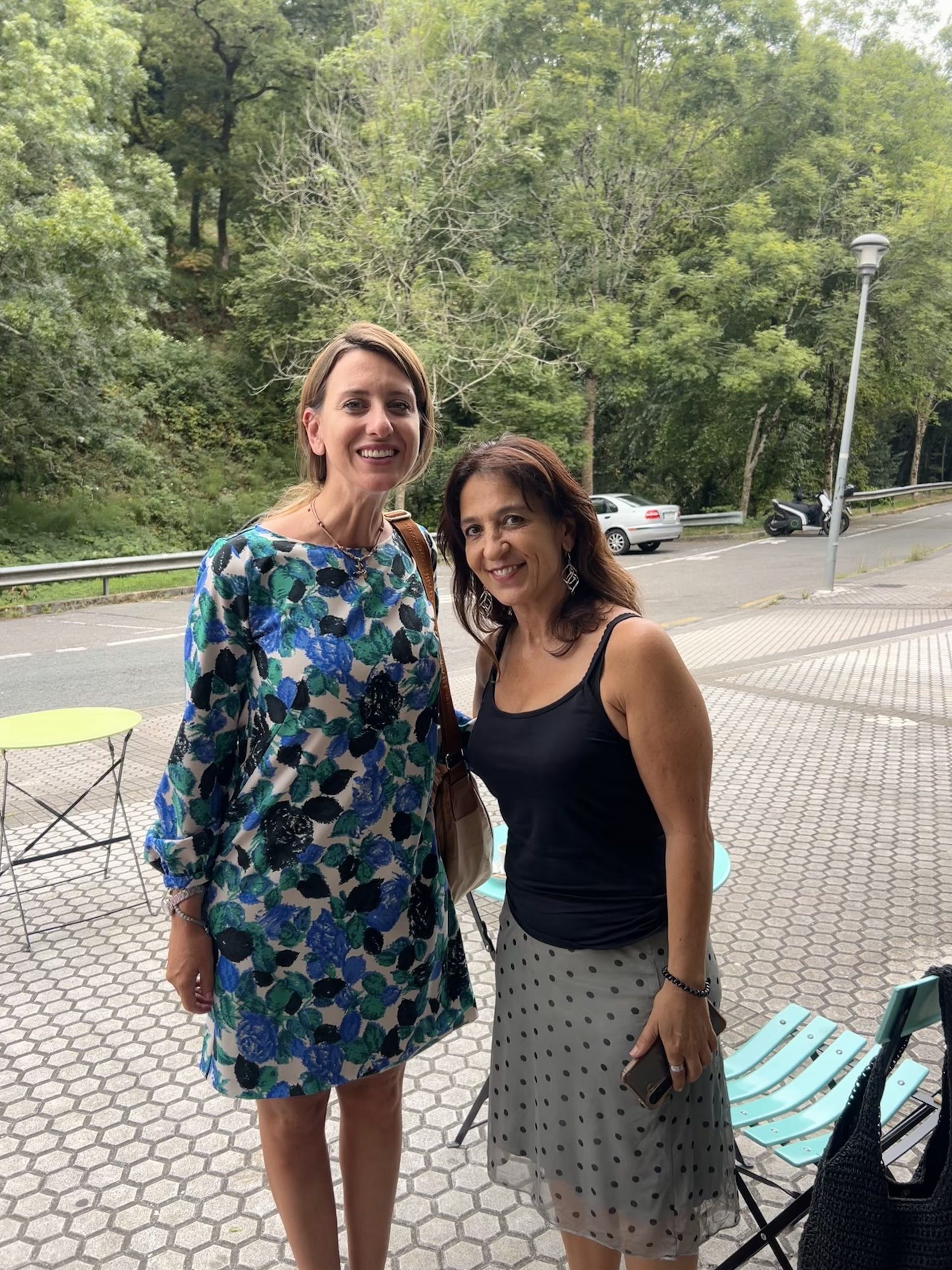
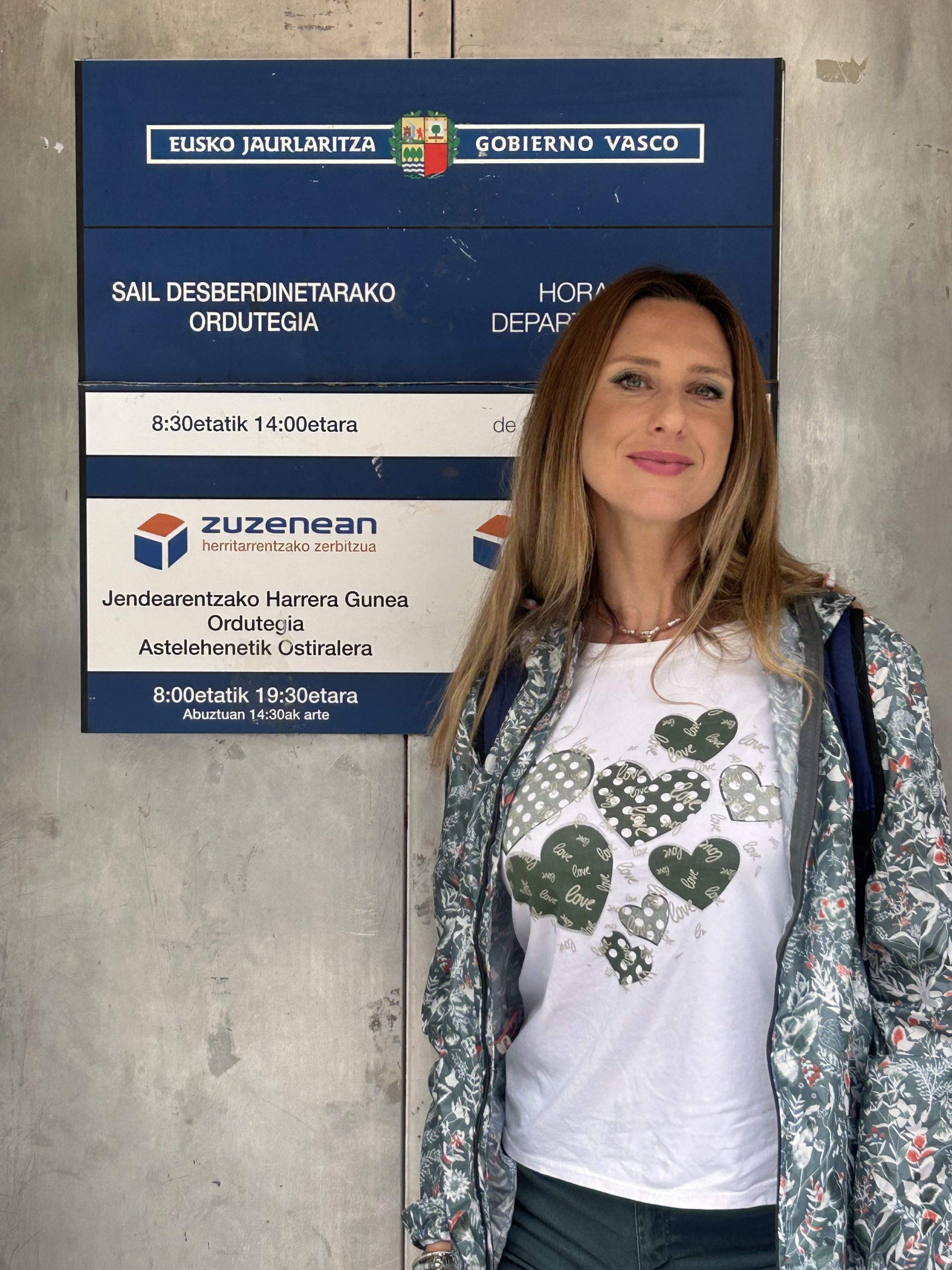
Between July and August 2026, Professor Alessandra Romano of the University of Siena conducted an intensive one-month research secondment in San Sebastián, Spain. Working across the Basque Government Department of Education and the University of the Basque Country (UPV/EHU), this mobility supported the I-CIVIC project by enhancing transnational coordination, implementing empirical fieldwork, and co-designing high-impact scientific outputs for Work Package 1 (WP1) while laying the foundations for Work Package 2 (WP2).
The first phase of the mobility focused on institutional alignment, networking and survey analysis. During this stage, Professor Romano carried out the analysis of the initial pilot dataset from the project’s two surveys addressing social representations and epistemic resilience to misinformation. In parallel – through strategic research meetings with Dr. Iratxe Renteria Uriarte and representatives of the Basque Department of Education – she also participated in preliminary mapping of regional stakeholders across schools, NGOs, and local authorities in San Sebastián and Bilbao, while establishing decentralized management protocols and collaborative decision-making frameworks for the consortium.
The secondment then moved into qualitative fieldwork across youth worker associations, museum educators, and social work networks in Bilbao and Santander, where narrative protocols were operationalized within local Basque educational and community settings. Strategic research meetings were held with key members of the host institution, including Professor Iñaki Carrera, Principal Investigator of I-CIVIC, Professor Andoni Arguiñano, Co-Principal Investigator, Dr. Gaizka Azkona Cueva, and Dr. Garazi Arizkorreta Ormazabal, Faculty of Education, Philosophy and Anthropology at the University of the Basque Country (UPV/EHU) and Post-doctoral Fellow for the I-CIVIC Project. These meetings focused on the implementation of the academic paper and the exploration of how active listening frameworks and collaborative leadership can foster student civic engagement in higher education contexts. As part of this phase, Professor Romano also undertook a field visit to Aranzazulab, the Democracy Innovation Lab located in the Gipuzkoa region, providing an opportunity to engage directly with innovative approaches to democratic participation and civic innovation.
An important outcome of the mobility has been the collaborative development of a scientific article proposal based on the first outcomes of WP1. The proposal is being developed in consultation with researchers from the University of the Basque Country and Maynooth University, with the aim of preparing a joint manuscript for submission to a high-ranked peer-reviewed journal.
The final phase of the secondment focuses on the consolidation of research outputs and the preparation of the next stages of I-CIVIC. Activities include the integration of survey datasets with qualitative feedback from focus groups, collaboration on the analysis of data collected at the University of Siena, and the co-design of the case study phase for WP2. Additional meetings are dedicated to improving coordination and the management plan among consortium members.
Combining empirical fieldwork, institutional networking, and academic writing, this secondment significantly reinforced the scientific foundations of I-CIVIC and marked a substantial step forward for transnational research on civic resilience and engagement.
